

Building a custom home represents one of life’s most significant investments and exciting journeys. However, many prospective homeowners underestimate the complexity and time required to transform their vision into reality. Understanding the custom home design process timeline helps set realistic expectations and prepares you for each phase of this remarkable adventure.
The journey begins with conceptualization and design development, which typically takes two to four months. During this crucial phase, you’ll work closely with architects and designers to translate your ideas into concrete plans. Reviewingluxury home design portfolios helps clarify your style preferences and communicate your vision effectively. This stage involves countless decisions about layout, room sizes, architectural style, materials, and features. The more time you invest in thoughtful planning now, the fewer expensive changes you’ll need later.
Site selection and land purchase can take anywhere from a few weeks to several months, depending on market conditions and your specific requirements. Finding the perfect lot involves considering factors beyond just location and price. You’ll need to evaluate topography, soil conditions, access to utilities, zoning restrictions, environmental considerations, and neighborhood regulations. Many buyers rush this step and later discover their dream lot has serious limitations or hidden costs that impact their design possibilities.
The permitting process varies dramatically by location but typically requires two to four months. Your design team submits detailed plans to local building departments, which review them for compliance with building codes, zoning regulations, and safety standards. Some jurisdictions move quickly, while others have lengthy review processes and frequent revision requests. Homeowners association approvals add additional time in planned communities. This phase tests patience, but it’s absolutely necessary for legal construction.
Site preparation and foundation work generally takes one to two months once permits are secured. Clearing land, grading the site, installing temporary utilities, and excavating for foundations must happen before any vertical construction begins. Weather can significantly impact this timeline, with rain, snow, or extreme heat causing delays. Foundation curing requires specific timeframes that cannot be rushed without compromising structural integrity. Many builders consider this phase critical because errors here affect everything built upon it.
When examiningresidential construction timeline planning, framing represents the most visible and exciting phase. Watching your home take shape over four to eight weeks brings tremendous satisfaction. Walls go up, the roofline becomes apparent, and you can finally walk through spaces you’ve only seen on paper. Framing includes structural elements, roof installation, and window and door installation. Once the structure is weather-tight, interior work accelerates.
Rough-in work for mechanical, electrical, and plumbing systems typically requires four to six weeks. While less visually dramatic than framing, these systems make your home functional and comfortable. HVAC ductwork snakes through the structure, electrical wiring connects future outlets and fixtures, and plumbing pipes deliver water throughout the home. Inspections at this stage ensure everything meets code before walls are closed up. Any mistakes discovered later require expensive demolition and reconstruction.
Insulation and drywall installation transforms your framed structure into recognizable rooms over three to four weeks. Insulation quality dramatically affects energy efficiency and comfort, making careful installation crucial. Drywall hangers work quickly, but finishing requires skill and time. Multiple coats of joint compound must dry completely between applications. Rushing this process results in visible seams and imperfections that no amount of paint can hide.
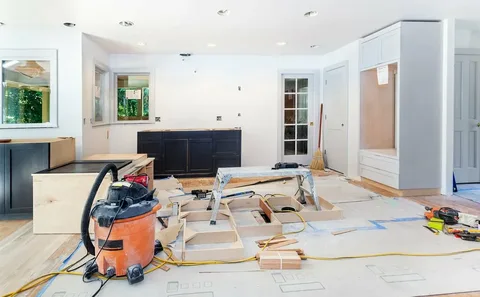
Interior finishes represent the longest and most detail-intensive phase, lasting eight to twelve weeks or more. This includes flooring installation, cabinetry, countertops, tile work, trim carpentry, painting, and fixture installation. The sequence of these tasks requires careful coordination to prevent damage and maintain efficiency. Custom features and high-end finishes extend this timeline but deliver the unique character that makes custom homes special.
Final inspections, punch list completion, and landscaping typically require four to six weeks. Building inspectors make final visits to certify that everything meets code and operates properly. Your walk-through generates a punch list of minor items needing attention before closing. Landscaping transforms bare dirt into appealing outdoor spaces that complement your beautiful new home. Don’t skip this step, curb appeal matters both for your enjoyment and future resale value.
From initial concept to move-in day, the entire custom home design and construction process typically spans twelve to eighteen months for most projects. Larger or more complex homes may take two years or longer. Unexpected challenges inevitably arise, from weather delays to material shortages to design modifications. Building in buffer time reduces stress when delays occur.
Several factors can accelerate or extend this timeline. Design complexity affects every phase, with intricate architectural features requiring more time. Material selections impact schedules, especially when choosing custom or imported products. Builder experience and project management skills significantly influence efficiency. Weather and season dramatically affect outdoor work and material delivery. Site challenges like difficult terrain, poor soil, or limited access create complications.
Managing expectations throughout the process protects your sanity and relationships. Regular communication with your builder prevents surprises and addresses concerns promptly. Flexibility with less critical decisions speeds progress when important choices face delays. Trust in your professional team allows them to solve problems efficiently. Visiting the site regularly keeps you connected without micromanaging daily operations.
The custom home design process demands patience, but the reward is a home perfectly tailored to your lifestyle and preferences. Unlike production homes where you adapt to existing layouts and finishes, custom homes adapt to you. Every detail reflects your choices, from room dimensions to door hardware. This level of personalization justifies the extended timeline and creates lasting satisfaction that makes the journey worthwhile. Understanding and respecting the process timeline helps you maintain realistic expectations while working toward your dream home.
