

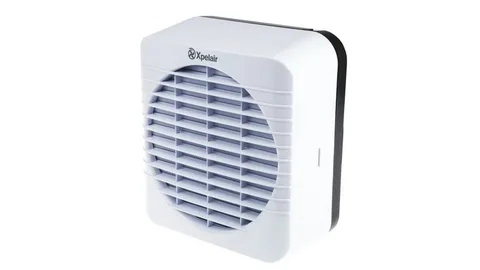
Proper bathroom ventilation is more than a matter of comfort—it’s crucial for maintaining air quality, preventing mold, and protecting structural integrity. Whether you’re building a new home or renovating an existing bathroom, one question arises frequently: Bathroom Ventilation Solutions: Is an Extractor Fan Essential? This article explores various ventilation options and evaluates the necessity of extractor fans.
Why Bathroom Ventilation Matters
Bathrooms are naturally humid environments. Every shower, bath, or even hand wash adds moisture to the air. Without adequate ventilation, this moisture can lead to:
- Mold and mildew growth
- Peeling paint or wallpaper
- Warped cabinetry and flooring
- Unpleasant odors
A good ventilation system is key to preventing these issues and maintaining a healthy indoor atmosphere.
Common Bathroom Ventilation Solutions
There are several ways to ventilate a bathroom, including both natural and mechanical options. Each has its own pros and cons.
1. Extractor Fans
Extractor fans are the most common and effective method of removing moisture from a bathroom. These electrically powered fans pull damp air out and vent it outside the building. They are typically installed in the ceiling or wall.
2. Windows
Windows can provide natural ventilation by allowing moist air to escape. However, this solution is weather-dependent and less reliable during colder months or in bathrooms without exterior walls.
3. Passive Vents
These are fixed openings that allow for airflow without mechanical assistance. While they help with general air circulation, they are often insufficient in high-humidity areas like bathrooms.
Bathroom Ventilation Solutions: Is an Extractor Fan Essential?
When assessing bathroom ventilation solutions, many homeowners ask, is an extractor fan essential? The short answer: in most cases, yes. Here’s why:
- Efficiency: Extractor fans work quickly to remove humidity, unlike windows or passive vents that depend on external conditions.
- Consistency: They operate regardless of weather, time of day, or user habits.
- Compliance: Building codes in many regions require mechanical ventilation if no window is present.
In small or poorly ventilated bathrooms, an extractor fan is not just useful—it’s often necessary to maintain a safe, mold-free environment.
Alternatives and Supplementary Options
If you’re hesitant to install a fan, consider these alternatives—but note their limitations:
- Dehumidifiers: These can help reduce moisture but are bulky and require regular maintenance.
- Ventilation systems with heat recovery: More expensive but effective, especially in energy-efficient homes.
- Timed or humidity-sensing fans: For those looking to improve functionality without manual operation.
Still, when evaluating bathroom ventilation solutions, extractor fans remain the most reliable and cost-effective choice.
Conclusion
So, when asking the question: Bathroom Ventilation Solutions: Is an Extractor Fan Essential?, the answer leans heavily toward “yes.” While alternative methods can help, none offer the consistent and effective performance of a good extractor fan. For long-term protection of your home and health, investing in a proper fan is a smart decision.
